
Lighting the Commercial Environment
At Low Energy Designs, we understand the importance of lighting that is functional, efficient, and visually appealing for commercial spaces. From offices to retail environments, our LED solutions adhere to UK Chartered Institution of Building Services Engineers (CIBSE) ensuring optimal productivity, comfort, and sustainability.
With financial incentives like the Annual Investment Allowance (AIA) and various grants, upgrading to energy-efficient LED lighting has never been more affordable.


Why Choose LED Lighting?
Our LED lighting solutions are designed to help you:
Enhance Illumination: Tailored lux levels for every space, from 300–500 lux for offices to higher levels for retail displays.
Achieve Colour Accuracy: All our products meet the recommended CRI 80+, perfect for retail and design settings.
Reduce Energy Costs: High-efficiency LEDs, daylight integration, and smart controls minimise energy use.
Improve Sustainability: Lower energy consumption and carbon footprints with our cutting-edge designs.
The Role of CIBSE Standards in commercial Lighting
The CIBSE outlines essential guidelines for effective lighting design in commercial environments.
Key factors include:
Illuminance Levels: Offices typically require 300–500 lux, while retail spaces may need higher levels to highlight products effectively.
Colour Rendering Index (CRI): A CRI of 80+ is recommended to ensure colour accuracy, particularly important in retail or design-focused environments.
Glare Control: Minimise discomfort with well-positioned luminaires and suitable fittings.
Energy Efficiency: Sustainable designs using LEDs, sensors, and controls are prioritised to reduce carbon footprints and operational costs.
Compliance with CIBSE standards helps create productive and comfortable spaces while supporting sustainability goals.
Low-Energy Lighting Solutions for Commercial Spaces
Innovative lighting solutions can achieve energy savings while enhancing the user experience:
LED Technology: High-efficiency LED lighting reduces energy consumption and maintenance costs while providing excellent light quality.
Daylight Integration: Use natural light effectively with daylight sensors to adjust artificial lighting automatically.
Smart Controls: Motion sensors, timers, and dimming systems ensure lighting is only used when needed, reducing waste.
Accent and Task Lighting: Layered lighting designs create an inviting atmosphere and improve functionality for specific tasks.
types of commercial environments
Offices: General workspaces, meeting rooms, and breakout areas.
Retail Stores: Clothing shops, supermarkets, and department stores.
Restaurants and Cafés: Dining areas, kitchens, and bars.
Hotels: Guest rooms, lobbies, and conference facilities.
Shopping Centres: Mall corridors, food courts, and parking areas.
Hospitals and Healthcare Facilities: Patient rooms, operating theatres, and labs.
Schools and Universities: Classrooms, libraries, and auditoriums.
Gyms and Fitness Centres: Workout areas, swimming pools, and locker rooms.
Theatres and Cinemas: Stages, auditoriums, and lobby areas.
Banks: Teller counters, offices, and ATMs.
Museums and Art Galleries: Exhibit halls, display cases, and visitor areas.
Airports: Terminals, check-in counters, and baggage claim areas.
Train and Bus Stations: Ticket halls, platforms, and waiting areas.
Showrooms: Car dealerships, furniture stores, and appliance displays.
Conference Centres: Exhibition halls, breakout rooms, and entryways.
Healthcare Clinics: Dentist offices, GP practices, and physiotherapy clinics.
Spas and Wellness Centres: Treatment rooms, lounges, and reception areas.
Places of Worship: Churches, mosques, synagogues, and temples.
Call Centres: Open-plan office spaces and private meeting rooms.
Coworking Spaces: Flexible offices, hot-desking areas, and collaborative hubs.
Data Centres: Server rooms, control rooms, and cooling zones.
Event Venues: Banquet halls, wedding venues, and outdoor spaces.
Libraries: Reading rooms, study areas, and archival spaces.
Pharmacies: Product displays, consultation areas, and counters.
Stadiums and Arenas: Hospitality suites, lounges, and public areas.
Each setting has unique lighting needs, ranging from energy efficiency and aesthetics to specific functional requirements such as task lighting.
Financial Incentives: Leveraging the Annual Investment Allowance (AIA)
The UK's Annual Investment Allowance allows businesses to deduct the cost of qualifying capital investments, including energy-efficient lighting systems, from their taxable income. This incentive can dramatically reduce the upfront costs of upgrading industrial lighting.
Key benefits include:
Full Deduction: Under AIA, businesses can claim 100% of eligible expenses up to the annual limit, which is set at £1 million until 31 March 2025.
Enhanced Cash Flow: Immediate tax relief reduces the financial burden of transitioning to low-energy designs.
Sustainability Goals: Investing in energy-efficient systems supports corporate sustainability objectives while lowering long-term operational costs.
There are also grant options available throughout the UK, to help with the upfront cost of your LED lighting project. We have put together a list of these for you here.
Where We Shine
We’ve successfully provided lighting solutions for:
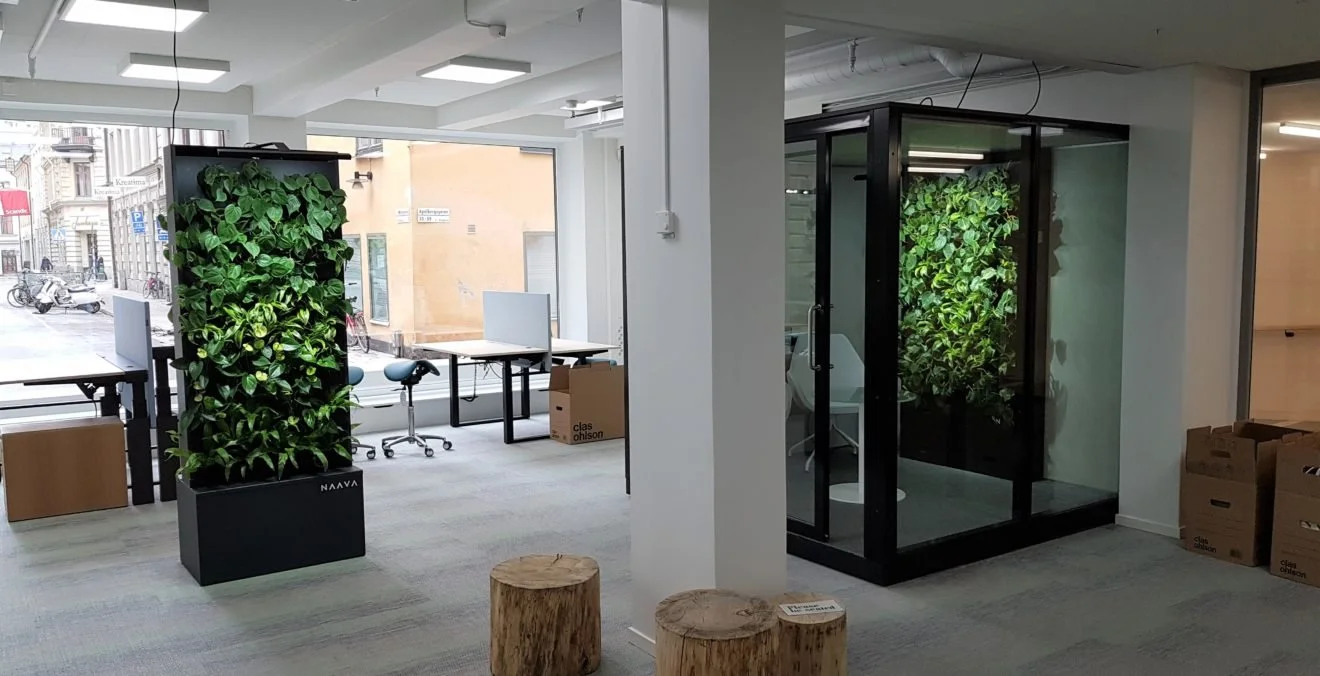
Offices: Meeting rooms, breakout areas, and open workspaces.
Retail Stores: Showcasing products in supermarkets, boutiques, and department stores.
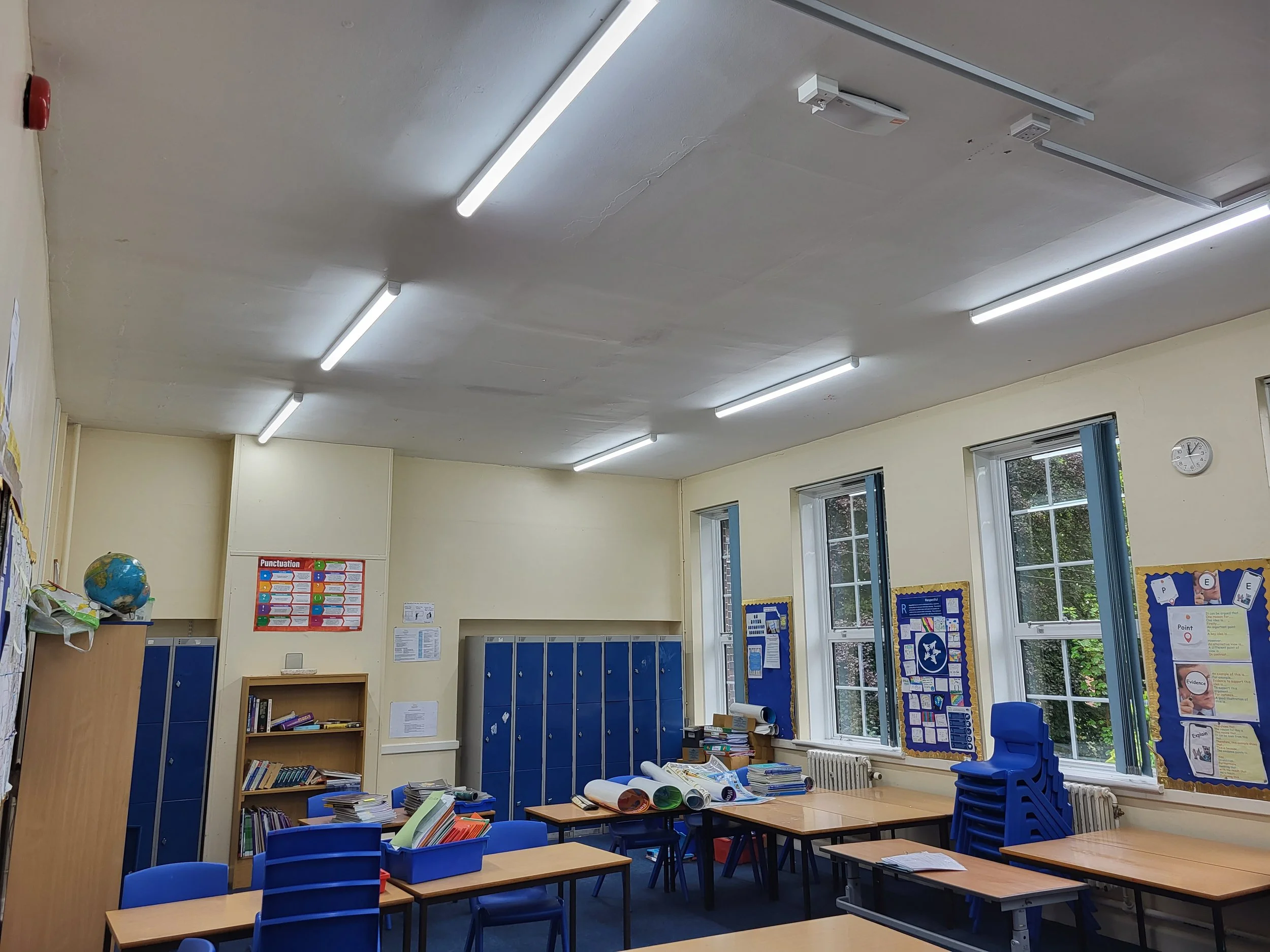
Schools and Universities: Brightening classrooms, libraries, and lecture halls for productive learning environments.
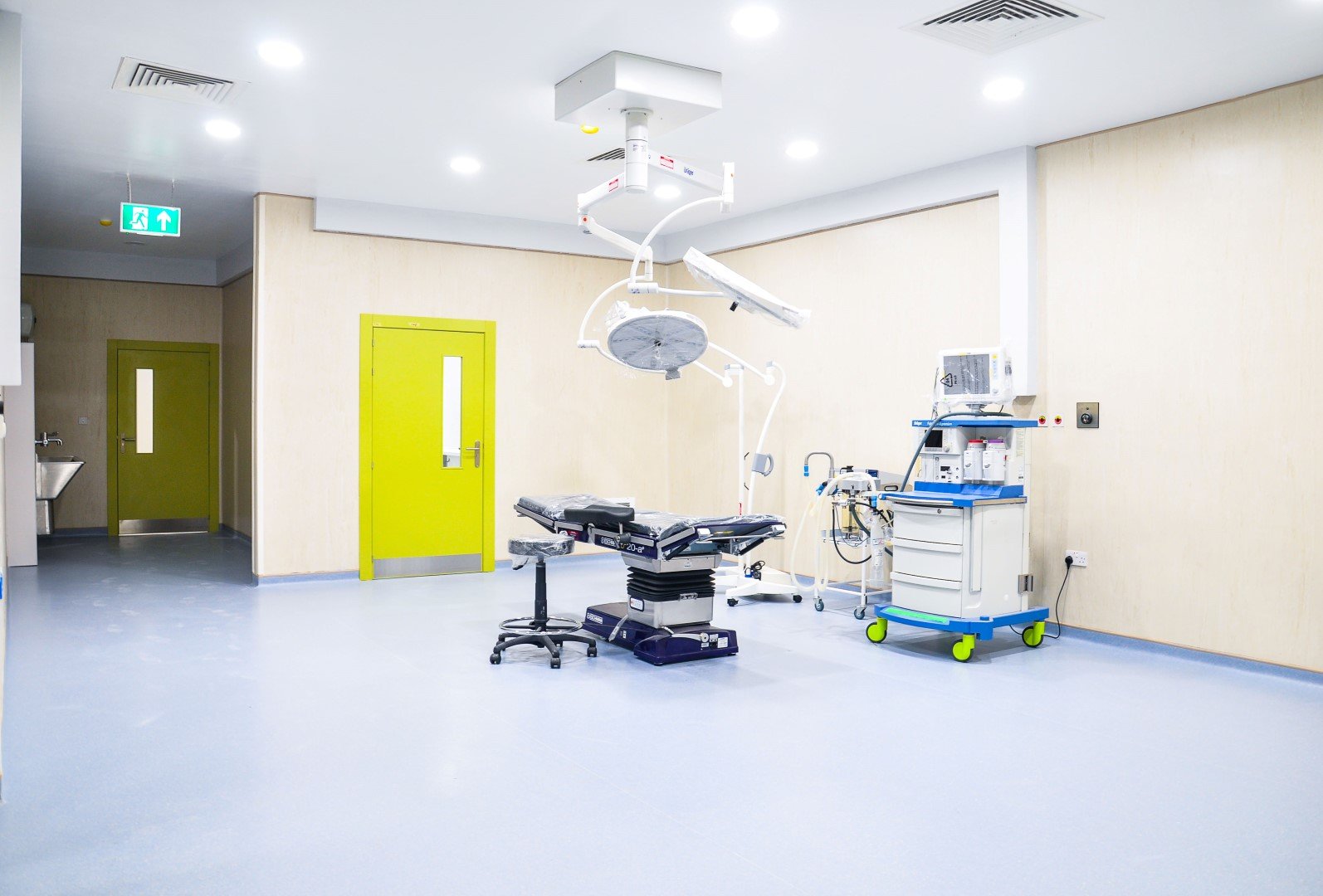
Healthcare Facilities: Enhancing visibility in patient rooms, operating theatres, and labs.
Shopping Centres: Improving the customer experience in corridors, food courts, and car parks.
Take a look at some of our other Industrial case studies here.



Why Work with Low Energy Designs?
We’ve helped over 450 businesses transform their spaces and reduce energy costs. Here’s how we support your lighting upgrades:
Free Site Survey: Book a complimentary survey to assess your current lighting systems.
Expert Guidance: Our designers and technical specialists ensure compliance with CIBSE standards.
Tailored Solutions: Customised LED lighting designs to meet your specific needs.
Ongoing Support: From install to end of warranty we’ll keep in touch to make sure your getting the most our of your LED lighting solutions.
Maximising Returns on Lighting Investments
To ensure the best results from lighting upgrades:
Conduct a Lighting Audit: Assess existing systems to identify inefficiencies and prioritise upgrades.
We can provide a FREE site survey to help with this. Book yours now!
Engage Experts: Work with our lighting designers and technical specialists who specialise in low-energy solutions and understand CIBSE standards.
Explore Funding Options: Beyond AIA, consider grants or loans targeted at energy-efficient upgrades.
Monitor and Maintain: Implement a maintenance schedule to ensure lighting systems continue operating efficiently.
Let’s Get Started
Lighting the commercial environment effectively requires the right mix of compliance, efficiency, and design. By adhering to CIBSE standards and taking advantage of the AIA, businesses can create brighter, more sustainable spaces while keeping costs under control. Upgrading to low-energy lighting is not just a smart investment—it’s a step towards a more sustainable future.
Upgrading your commercial lighting isn’t just a smart investment—it’s a step towards a sustainable future. Contact us today to book your FREE site survey and discover how Low Energy Designs can transform your space.