
Lighting the Industrial Environment

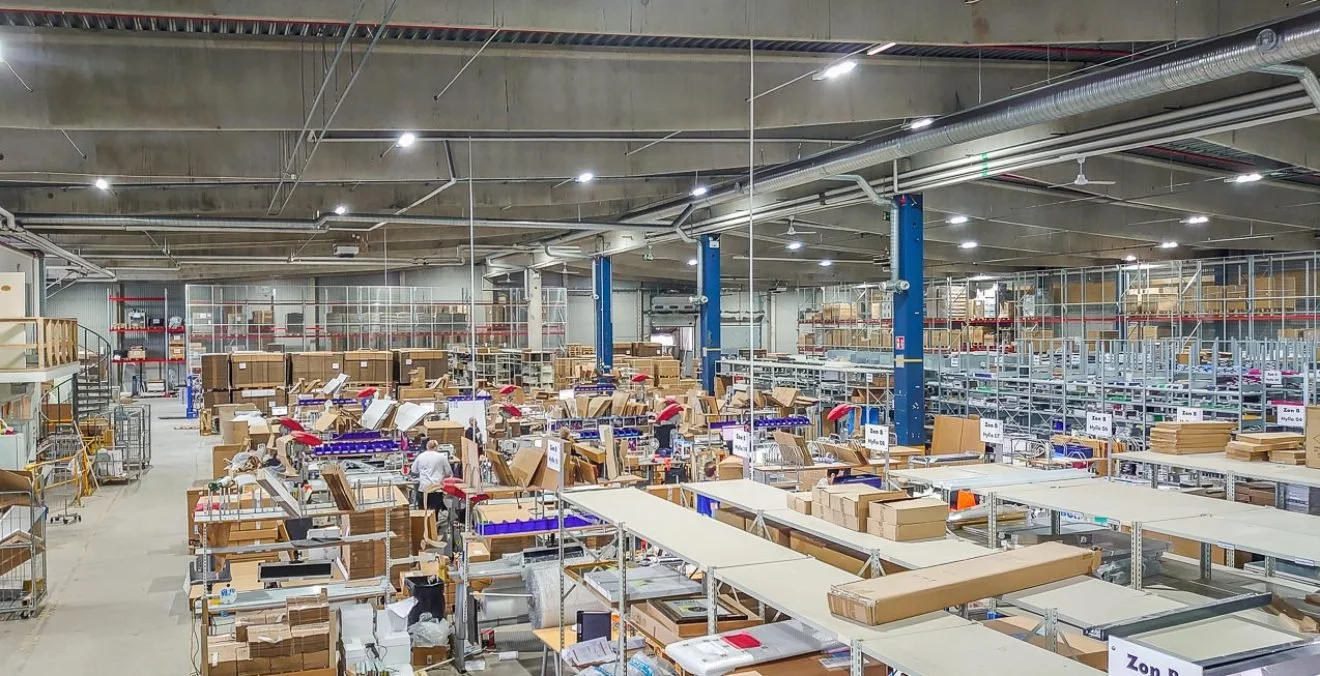
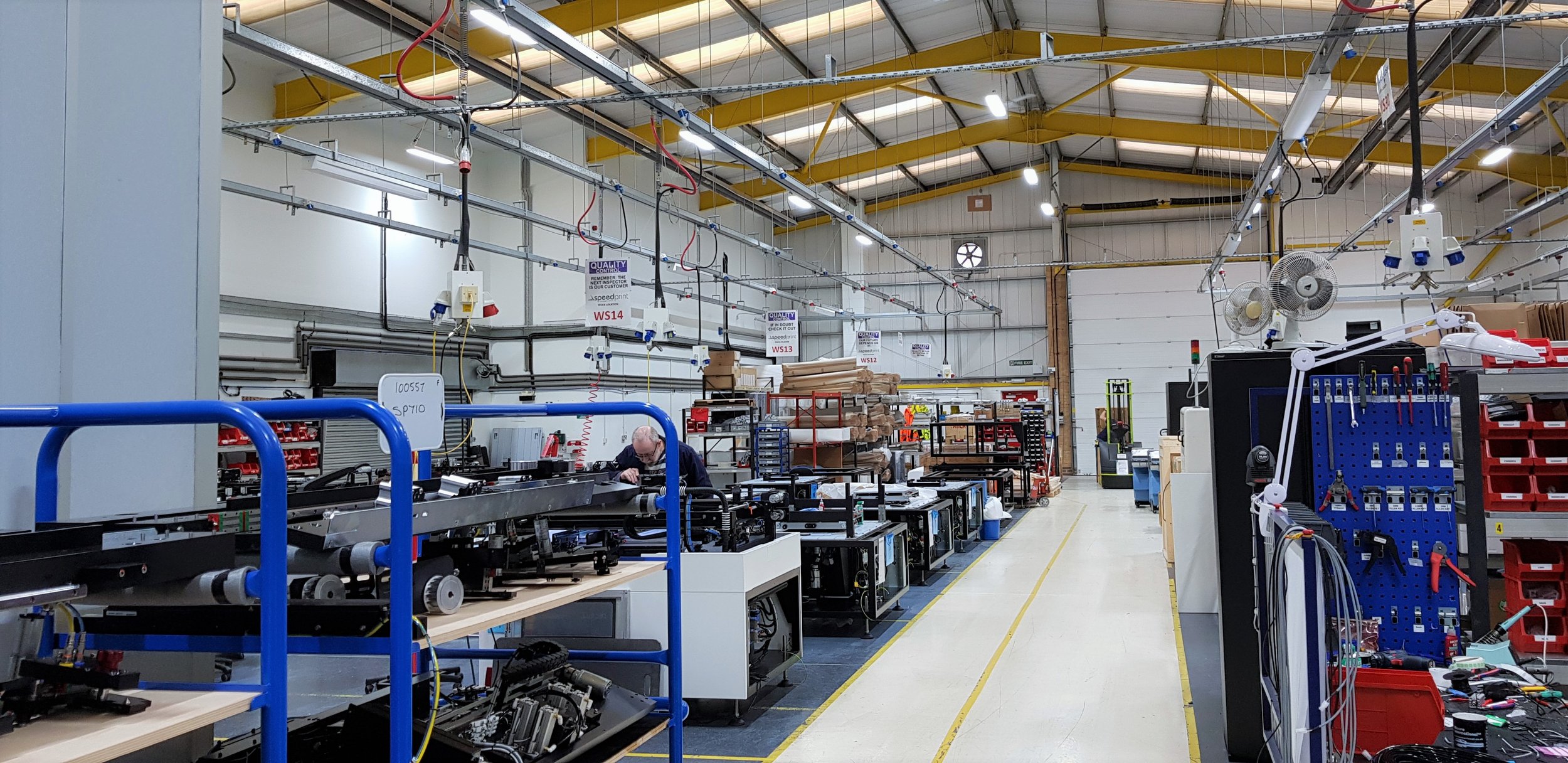
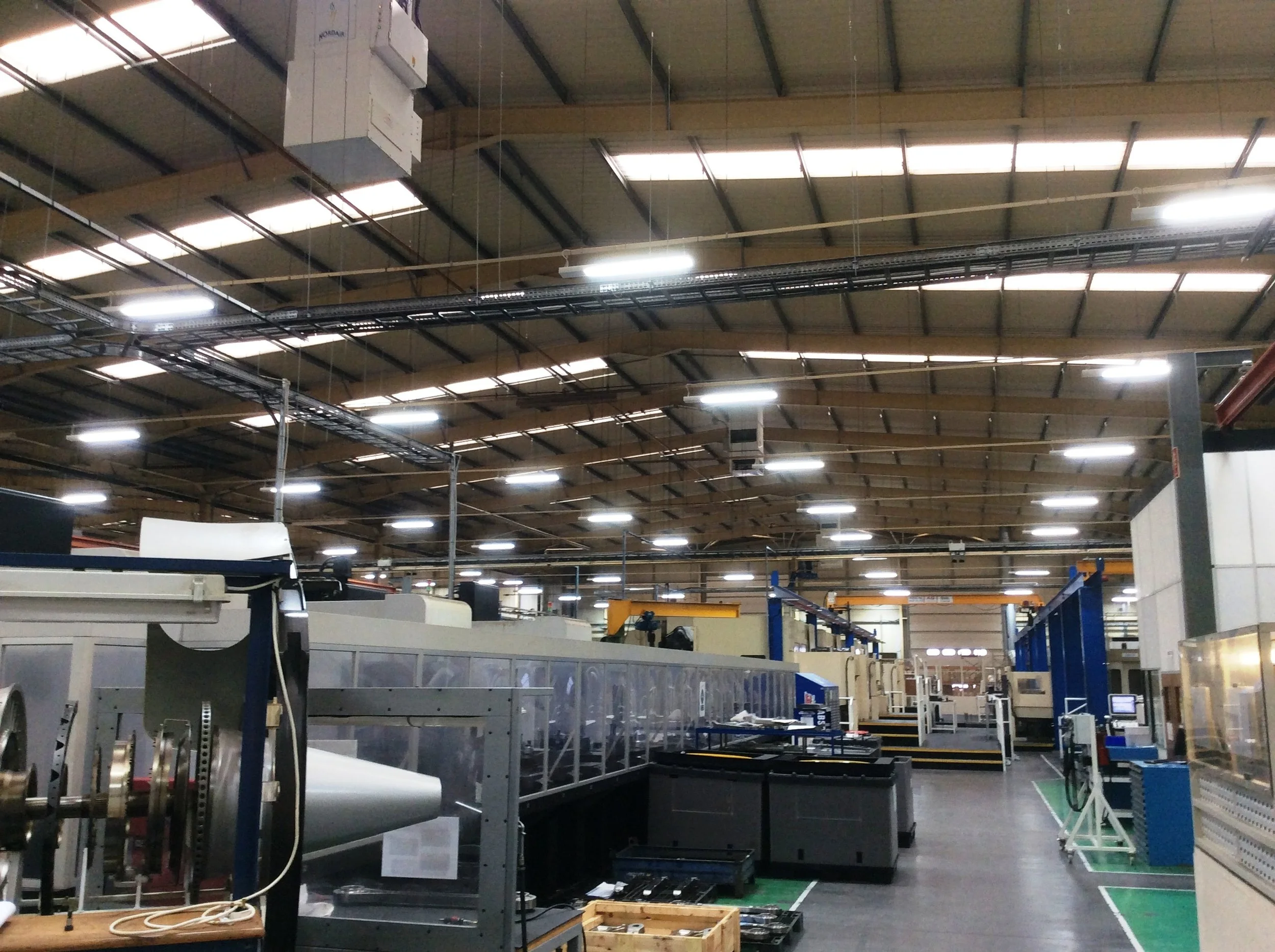
At Low Energy Designs, we understand the industrial environment presents unique challenges for lighting, from ensuring worker safety to maintaining energy efficiency and meeting regulatory standards. In the UK, adherence to the Chartered Institution of Building Services Engineers (CIBSE) guidelines is crucial for creating effective lighting solutions.
Furthermore, financial incentives such as the Annual Investment Allowance (AIA) offer opportunities to offset costs, making energy-efficient designs more accessible.
The Role of CIBSE Standards in Industrial Lighting
CIBSE sets out comprehensive guidelines for lighting in industrial spaces, emphasising functionality, efficiency, and worker well-being.
Key considerations include:
Illuminance Levels: Adequate lighting levels vary based on the task, with general workspaces requiring a minimum of 200 lux, while precision tasks may demand upwards of 1,000 lux.
Uniformity: Lighting must be evenly distributed to avoid glare or shadows, ensuring a comfortable and safe environment.
Colour Rendering Index (CRI): CIBSE recommends a CRI of at least 80 for industrial spaces to ensure accurate visual perception.
Energy Efficiency: Designs must prioritise sustainable technologies, including LED solutions and smart controls.
Compliance with these standards not only ensures operational efficiency but also supports occupational health and safety.
Low-Energy Lighting Solutions for Industrial Settings
Innovations in lighting technology have made it easier to meet CIBSE standards while reducing energy consumption.
Key approaches include:
LED Lighting: LED luminaires are the cornerstone of energy-efficient industrial lighting. They offer long lifespans, reduced energy usage, and compatibility with smart control systems.
Daylight Harvesting: Utilising natural light through skylights and windows can significantly cut energy costs. Sensor-based systems automatically adjust artificial lighting to maintain optimal levels.
Smart Lighting Controls: Integrating motion sensors, timers, and dimmers helps optimise energy use by providing light only when and where needed.
Task-Specific Lighting: Deploying localised lighting for specific tasks reduces the need for high levels of general illumination across an entire facility.
types of industrial environments
Manufacturing Plants: For assembly lines, machining, and fabrication tasks.
Warehouses: For storage, packing, and logistics operations.
Distribution Centres: To facilitate order picking, sorting, and shipping.
Processing Facilities: Including food, chemical, and pharmaceutical processing plants.
Automotive Plants: For production, quality control, and maintenance areas.
Oil & Gas Facilities: Refineries, rigs, and storage sites.
Power Plants: For operational areas and maintenance zones.
Recycling Plants: For sorting, shredding, and processing operations.
Steel and Foundry Facilities: High-heat and high-risk environments.
Textile Factories: For dyeing, weaving, and quality inspections.
Cold Storage Facilities: Specialised lighting for low-temperature environments.
Aerospace Facilities: For manufacturing, repair, and testing.
Printing Presses: For accurate colour rendering and quality checks.
Shipyards: For building, repairing, and maintaining vessels.
Mining Operations: For tunnels, open pits, and processing plants.
Agricultural Facilities: Such as greenhouses and indoor farming operations.
Logistics Hubs: For loading docks and freight handling areas.
Electronics Manufacturing: For assembly and inspection processes.
Research & Development Labs: Precision lighting for experiments and tests.
Clean Rooms: Used in semiconductor, pharmaceutical, and biotech industries.
Each of these environments requires tailored lighting solutions to meet specific operational, safety, and efficiency needs.
Financial Incentives: Leveraging the Annual Investment Allowance (AIA)
The UK's Annual Investment Allowance allows businesses to deduct the cost of qualifying capital investments, including energy-efficient lighting systems, from their taxable income. This incentive can dramatically reduce the upfront costs of upgrading industrial lighting.
Key benefits include:
Full Deduction: Under AIA, businesses can claim 100% of eligible expenses up to the annual limit, which is set at £1 million until 31 March 2025.
Enhanced Cash Flow: Immediate tax relief reduces the financial burden of transitioning to low-energy designs.
Sustainability Goals: Investing in energy-efficient systems supports corporate sustainability objectives while lowering long-term operational costs.
There are also grant options available throughout the UK, to help with the upfront cost of your LED lighting project. We have put together a list of these for you here.
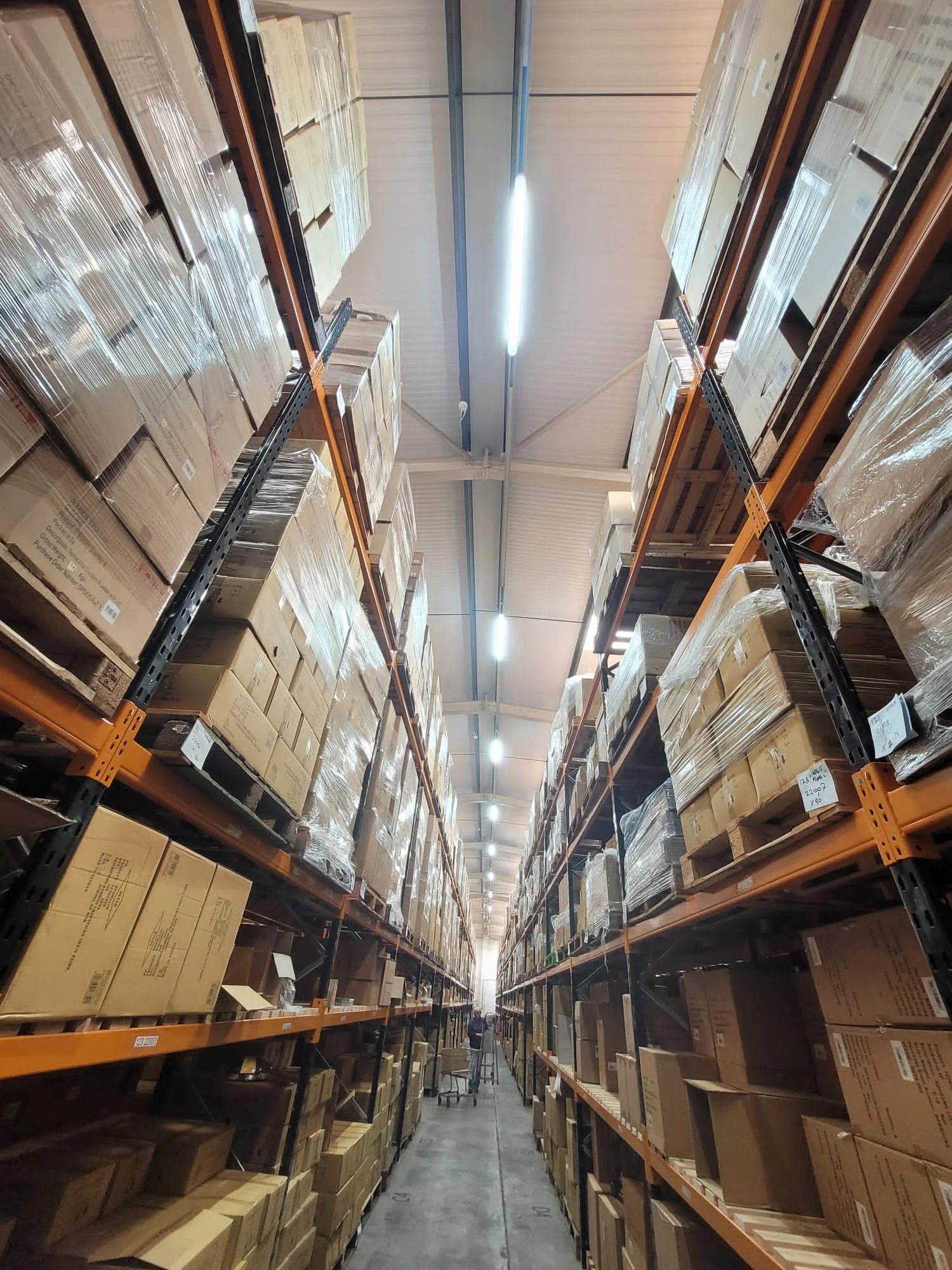
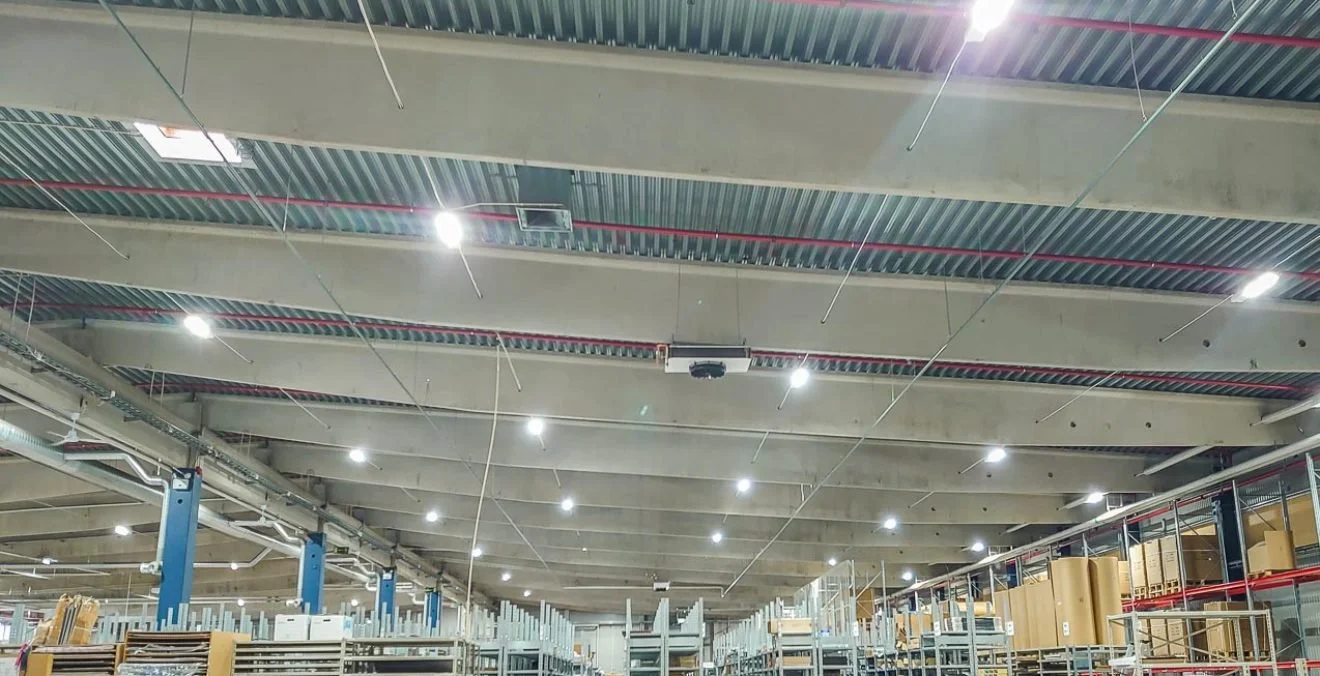
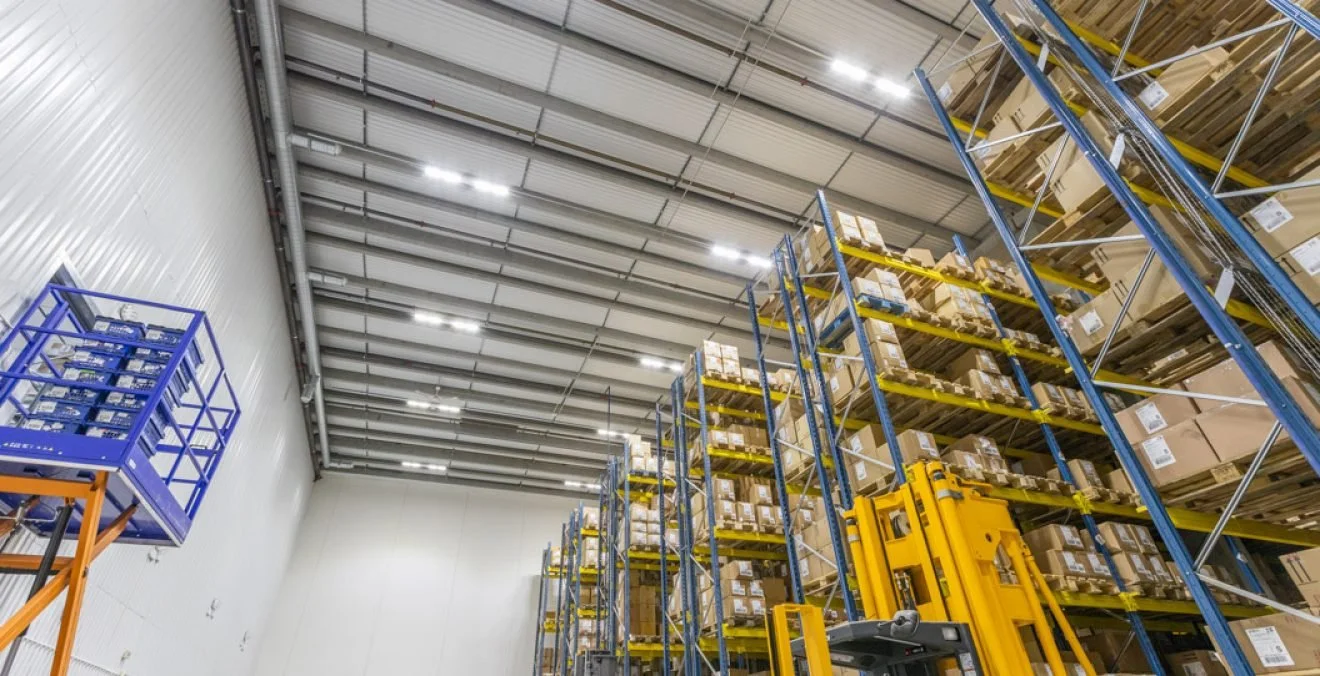
We’ve helped over 450 businesses reduce their energy costs with LED lighting.
Take a look at some of our other Industrial case studies here.

Maximising Returns on Lighting Investments
To make the most of lighting upgrades, industrial facilities should adopt a strategic approach:
Conduct a Lighting Audit: Assess existing systems to identify inefficiencies and prioritise upgrades.
We can provide a FREE site survey to help with this. Book yours now!
Engage Experts: Work with our lighting designers who specialise in low-energy solutions and understand CIBSE standards.
Explore Funding Options: Beyond AIA, consider grants or loans targeted at energy-efficient upgrades.
Monitor and Maintain: Implement a maintenance schedule to ensure lighting systems continue operating efficiently.
Conclusion
Lighting the industrial environment requires a careful balance of compliance, efficiency, and cost management. By adhering to CIBSE standards and leveraging financial incentives like the Annual Investment Allowance, businesses can create safer, more sustainable workspaces while achieving significant cost savings. Transitioning to low-energy lighting is not just a regulatory obligation but an investment in the future of industrial operations.